The Silence of Nordic Architecture: Designing for Winter
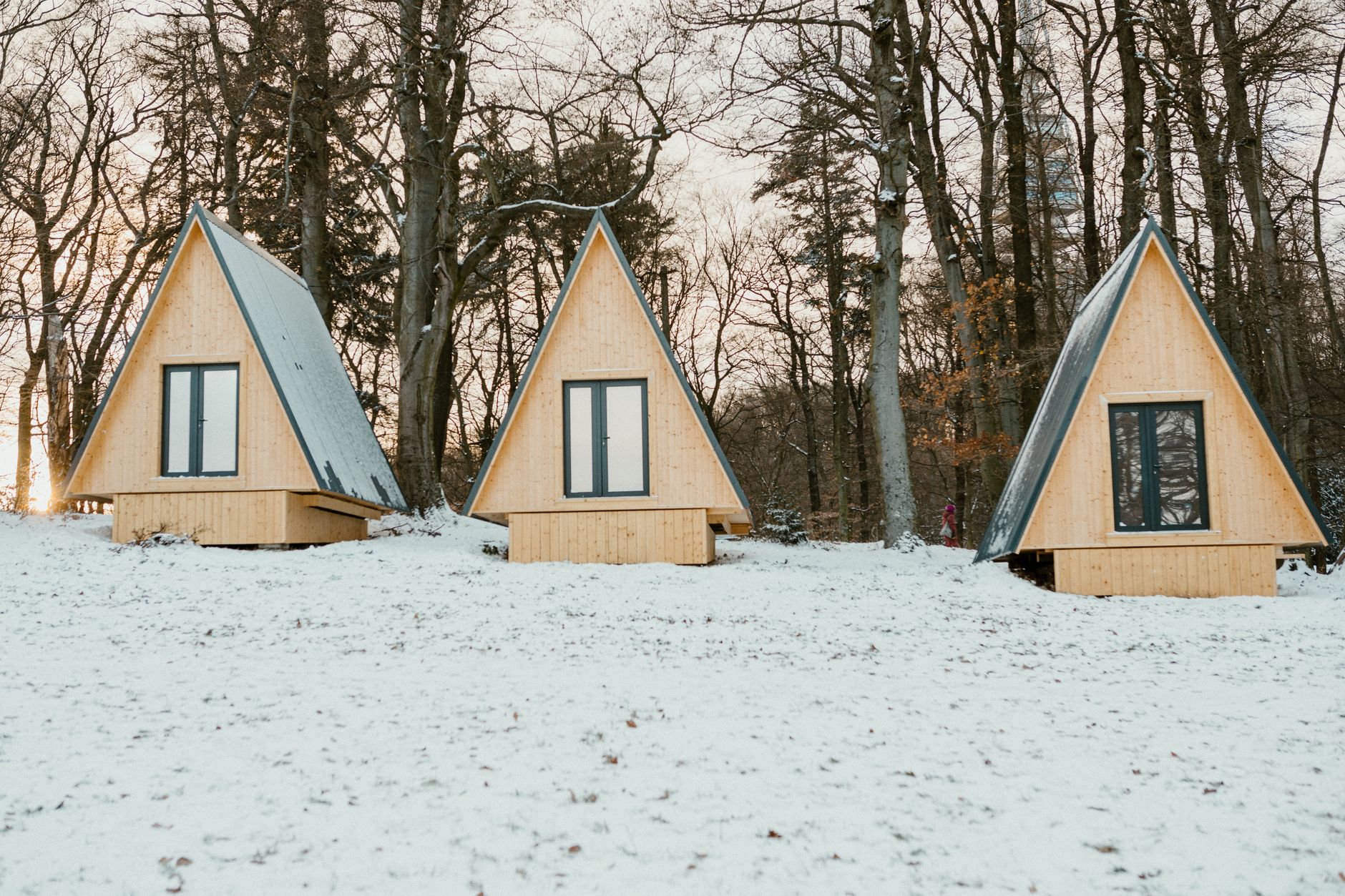
When the northern sun dips toward the horizon at two in the afternoon, darkness is not merely the absence of light; it becomes a palpable medium. In the birch forests outside Tromsø, timber structures are engineered not to repel the elements, but to collaborate with the polar night.
We spent a week inside a private hideaway framed in slow-grown Norwegian pine. The interior surfaces are untreated, releasing a faint resinous scent as the cast-iron stove reaches temperature. Here, large panes of triple-glazed glass do not isolate you from the drifts; they transform snowfall into a quiet backdrop for reading and contemplation.
"Good architecture during a Nordic winter does not compete with the cold. It offers a warm wooden boundary from which one can witness winter's grandeur without anxiety."
Light as a Sacred Commodity
In midwinter Scandinavia, natural photons are treated with reverent precision. Rooflines pitch steeply to deflect weight while directing morning refraction directly across dining tables. There are no garish overhead bulbs. Light is layered: beeswax candles, brass floor lamps set at seated eye level, and the slow ember of birch logs.
This deliberate moderation teaches the traveler a lost art: accepting seasonal rhythms rather than aggressively overcoming them with artificial illumination.

Julian Vance
Editor & Wilderness Contributor