Slow Food Along the Douro River: Terroir and Memory
The schist soils of northern Portugal have borne vines for thousands of years, yet beneath the celebrated wine labels lies an older, quieter culinary narrative. In the mountain villages flanking the Douro valley, cooking remains tethered to the rhythm of stone mills and heirloom vegetable plots.
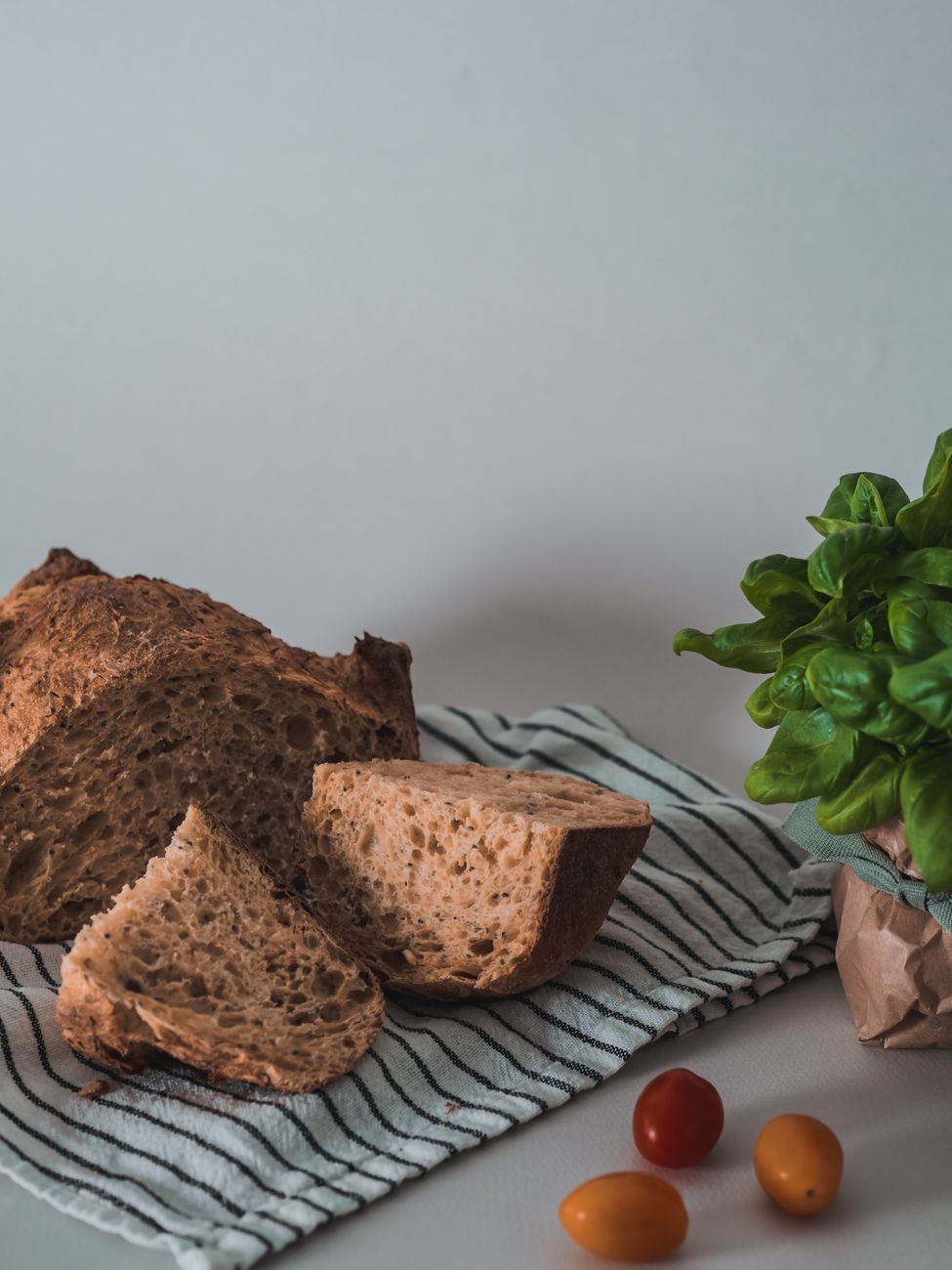
We joined third-generation growers who have abandoned industrial fertilizers in favor of cover cropping and biological diversity. At their kitchen table, bread is baked using indigenous yeast strains passed down through four generations, served alongside unpasteurized sheep's cheese cured in thistle rennet.
"Real cooking has nothing to do with culinary spectacle. It is simply deep listening to what a single parcel of earth decided to yield this week."
Reclaiming Ancient Grain Varieties
As modern monoculture threatened traditional Portuguese grains, regional growers began reviving Barbela wheat—a tall, drought-resistant heritage cereal known for its distinct nutty aroma and tender crumb. When paired with valley olives and river trout wrapped in fig leaves, the meal becomes an act of ecological restoration.

Clara Silva
Gastronomy & Agriculture Essayist